How Medical Dictation Software Improves Documentation Accuracy
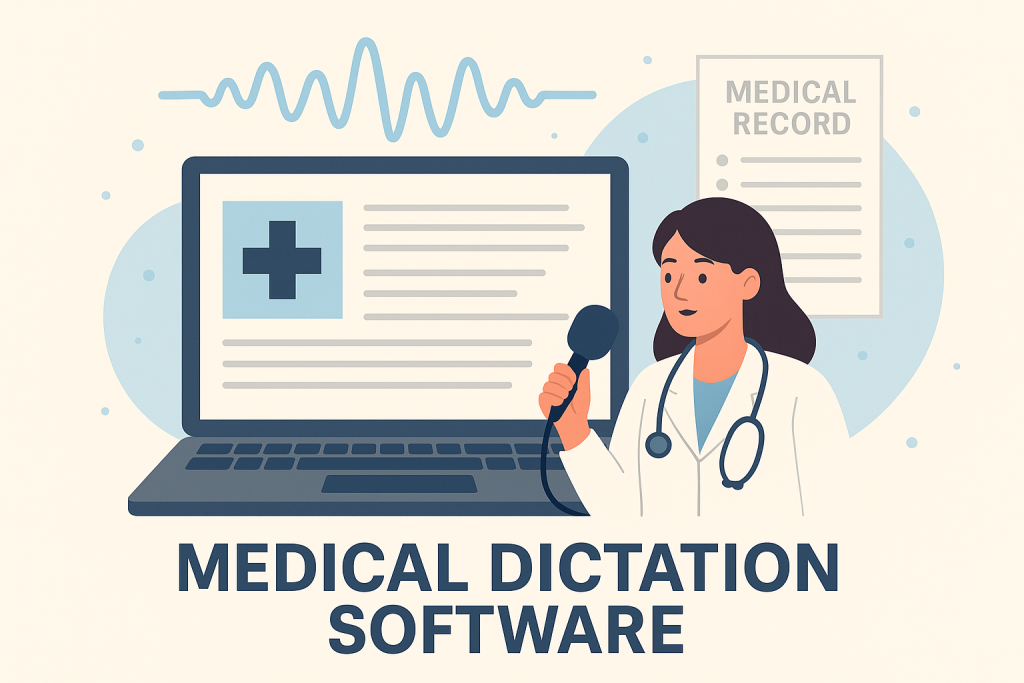
Accurate documentation is one of the most important responsibilities in healthcare. Every diagnosis, medication, treatment plan, and patient interaction depends on clear notes. When documentation is incomplete or inaccurate, the consequences move beyond administrative inconvenience. It affects patient safety, billing quality, legal risk, and communication among care teams. Medical practices have traditionally relied on typed notes or handwritten entries, but both methods introduce human error. Medical dictation software solves many of these problems by capturing information in real time and converting spoken language into precise documentation.
Over the last decade, speech recognition has advanced significantly. Systems now understand medical terminology, complex phrases, and specialty-specific vocabulary. These tools integrate with electronic health records and help clinicians create consistent, detailed charts with less effort. This article explores how medical dictation software improves documentation accuracy, how the technology works, where it fits in clinical workflows, and why healthcare organizations increasingly rely on it.
Why Manual Documentation Creates Accuracy Problems
Manual documentation requires time, memory, and consistent attention. In a typical clinical scenario, a provider moves rapidly from one patient to another. Even a short delay can disrupt the ability to capture every relevant detail. Just a few hours of separation between the visit and the documentation increases the chance of errors.
Common problems include:
• incomplete symptoms
• missing medication changes
• brief summaries instead of complete findings
• inconsistent formatting across visits
• variation in the depth of clinical notes
• incorrect spellings of medical terms
• errors caused by typing quickly during busy hours
These inaccuracies build up over time. When another clinician reviews the chart, they may struggle to understand the course of care. Billing teams may lack the detail required for correct coding. Patients may receive treatment plans that miss important clinical findings. Medical dictation software reduces these issues by capturing notes as they are spoken and converting them into structured text.
How Medical Dictation Software Operates
Medical dictation software begins with a speech recognition model trained on clinical language. When a provider speaks, the system identifies key phrases, medical terms, and contextual relationships. It produces text that mirrors the clinician’s spoken narrative and places it directly into the patient’s chart.
The workflow can be illustrated like this:
                    Dictation Flow
 -------------------------------------------------------
 | Provider Speaks → Speech Engine → Medical Text Note |
 -------------------------------------------------------
                             |
                      EHR Integration
                             |
                        Final Chart
The system relies on specialized medical vocabularies. These vocabularies include drug names, lab tests, procedure descriptions, anatomical references, and specialty language. This domain knowledge is what separates medical dictation from everyday speech recognition. Some systems also learn individual speaking patterns over time, improving accuracy with each use.
Real Time Capture Enhances Accuracy
One of the strongest benefits of dictation software is its ability to capture information in real time. When providers speak directly during or immediately after a patient visit, their memory of the encounter is fresh. They recall exam details more clearly and describe symptoms in natural language. The time gap between patient interaction and documentation disappears, which removes an entire category of accuracy problems.
Real time capture helps preserve:
• symptom onset and duration
• physical exam findings
• medication modifications
• patient concerns and quotes
• follow up instructions
• diagnostic reasoning
Typed notes often become short summaries. Dictated notes tend to preserve nuance and detail because clinicians speak more naturally than they type.
Improved Accuracy Through Medical Terminology Recognition
Medical terminology is highly specific. It includes long Latin-based words, brand and generic drug names, procedure codes, and specialty acronyms. Typing these terms manually often introduces spelling errors or incorrect abbreviations.
Dictation software uses language models trained on medical corpora. These models recognize terminology such as:
• hydrochlorothiazide
• atrial fibrillation with rapid ventricular response
• laparoscopic appendectomy
• erythrocyte sedimentation rate
• methylprednisolone dose pack
This vocabulary support improves accuracy in multiple ways. First, it prevents spelling errors. Second, it reduces the mental load required to recall exact phrasing. Third, it helps keep documentation consistent across visits and departments.
Precision Through Structured Templates
Many dictation tools include voice-activated templates. These templates guide clinicians through structured documentation and reduce the variability that exists when each note is created manually.
Here is a simple example of a voice-activated structure:
                Template Structure
 -------------------------------------------------------
 | Chief Complaint                                      |
 | History of Present Illness                           |
 | Review of Systems                                    |
 | Medications and Allergies                            |
 | Assessment                                           |
 | Plan                                                 |
 -------------------------------------------------------
A provider might say “Use the abdominal pain template” and the system inserts structured sections. The clinician then fills each part through natural dictation. This structure ensures that all required elements are present. It improves clarity for future providers, supports accurate coding, and reduces omissions.
Reduction of Transcription Errors
In the past, many practices relied on manual transcription. Providers recorded notes on dictation devices, and transcriptionists typed them later. This process introduced delays and errors. A transcriptionist might mishear a medication dosage or misinterpret a clinical phrase.
Modern medical dictation software eliminates these intermediary steps. The clinician’s voice is converted directly into text. Some systems highlight uncertain words and ask for confirmation. The reduction in manual handling directly improves the accuracy of the documentation.
Richer Documentation Through Natural Speech
Typing forces clinicians to condense their thoughts. Dictation allows for full narrative expression. Providers typically speak more fluently than they type, which leads to fuller and more descriptive notes.
Dictation often adds missing depth such as:
• patient history details
• symptom development
• clinician insight into diagnostic decisions
• patient education statements
• social factors affecting treatment
These elements deepen the quality of the chart and support more informed clinical decisions.
Integration With Electronic Health Records
Modern dictation software integrates with electronic health record systems. This integration pulls patient identifiers, medication lists, lab results, and previous visit histories into the documentation workflow.
A provider may say:
“Sodium level is one thirty eight. Continue current dosing. Schedule a follow up in one week.”
The system can format the lab value correctly, place it in the right section, and generate structured follow up instructions. This feature strengthens accuracy by eliminating manual data entry and reducing the chance of misplaced information.
Support for Compliance and Billing Accuracy
Accurate documentation directly affects billing. Payers evaluate chart notes to determine whether services were medically necessary and properly coded. Missing details can lead to claim denials or reduced reimbursement.
Medical dictation software helps preserve decision making details such as:
• diagnostic reasoning
• complexity of care
• time spent with the patient
• follow up recommendations
• risk considerations
More complete notes support compliance and ensure that coding reflects the work performed.
Reduced Cognitive Load and Higher Accuracy
Typing while interacting with a patient divides attention. Clinicians may type quickly to keep up with the pace of care, which creates spelling errors and dropped details. Dictation shifts the cognitive load away from the keyboard and back to the clinical reasoning process. Providers remain focused and can speak freely without distraction.
A lighter cognitive load improves documentation accuracy because the clinician can recall details more clearly and spend less mental energy on formatting.
Summary Diagram: Accuracy Improvements
                   Accuracy Benefits
 -------------------------------------------------------
 | Real Time Capture | Medical Terminology Support      |
 -------------------------------------------------------
 | Structured Notes  | Fewer Manual Errors              |
 -------------------------------------------------------
 | Clear Narratives  | Better EHR Integration           |
 -------------------------------------------------------
Each category removes sources of inaccuracy that exist in manual typing or transcription based workflows.
When Medical Dictation Works Best
Dictation systems are most effective in high volume and high complexity settings such as:
• primary care
• internal medicine
• emergency departments
• surgical specialties
• telehealth services
Any scenario where time is limited and accuracy matters can benefit from real time speech-driven documentation.
References
https://www.wired.com/story/voice-tech-hospitals-documentation/
A detailed review of how speech technology assists clinicians in capturing more complete and accurate notes.
https://hbr.org/2023/ai-can-improve-clinical-documentation
Harvard Business Review analysis of how AI powered documentation tools reduce errors and strengthen medical record quality.